Blogs · Ecommerce
What makes a Shopify store actually sell
Most stores have traffic. Fewer have sales. Seven things we fix first when a Shopify store is not converting.
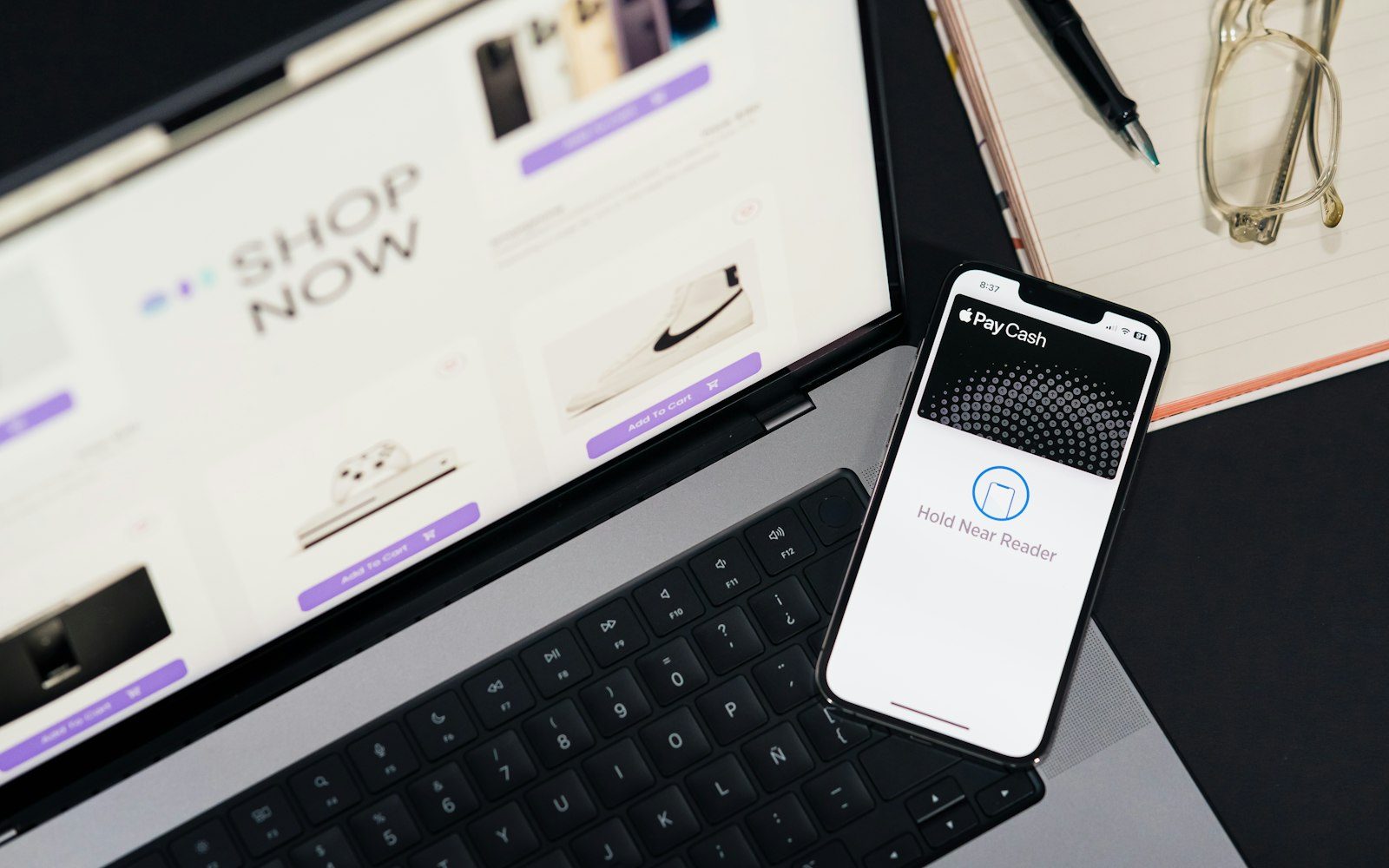
Shopify makes it easy to open a store. That is why so many stores look the same and sell so little. The platform is rarely the problem. What sits on top of it is.
When a store has visitors but not enough orders, these are the seven things we look at first.
1. Product pages that answer the doubt
Every buyer arrives with a question in their head. Will it fit? Is it worth the money? What if I do not like it? A good product page answers that question before it stops the sale.
List what the product does for the customer, not just what it is made of. Put delivery times, returns and sizing where people can see them, not three clicks away.
2. Photos that do the selling
Online, the photo is the product. Show it from several angles, in use and at real scale. One clear image of the product in someone's hand or home often does more than a paragraph of copy.
3. Speed on a phone
Most shoppers are on a phone, often on mobile data. Every extra second costs orders. The usual causes are oversized images, too many apps and scripts nobody remembers installing. Removing three unused apps can do more than any redesign. If you want to know where you stand, our speed service starts with a measured report.
4. A checkout with nothing in the way
Shopify's checkout is already good. Most problems come just before it: surprise delivery costs, a forced account, or a basket page full of distractions. Show the full cost early and offer the payment methods your buyers expect, such as Apple Pay, Google Pay and PayPal.
5. Proof at the moment of doubt
Reviews work best next to the buy button, not on a separate page. Real photos from customers beat polished testimonials. If you have press coverage or a guarantee, put it where the decision is made.
6. Bundles and a reason to buy more
The cheapest sale is to someone who is already buying. Bundles, sets and a clear free-delivery threshold raise the value of each order without spending more on ads. One store we built sells its products as a full set first and as single items second, because that is how its customers prefer to buy.
7. Tracking you can trust
If you cannot tell which channel produced which order, you will keep paying for the wrong traffic. Set up GA4 purchase tracking properly and check that the numbers match your Shopify orders. It is dull work and it pays for itself quickly.
Where to start
You do not need all seven at once. Start with the product page that gets the most visits and fix that one properly. Then measure for two weeks before changing anything else.
If you would like a second pair of eyes, tell me about your store. You can also see how we approach ecommerce websites.