Blogs · SEO & AEO
SEO vs AEO: how to get found on Google and recommended by AI
Buyers now ask ChatGPT as well as Google. What answer engine optimisation is, how it differs from SEO, and what to do first.
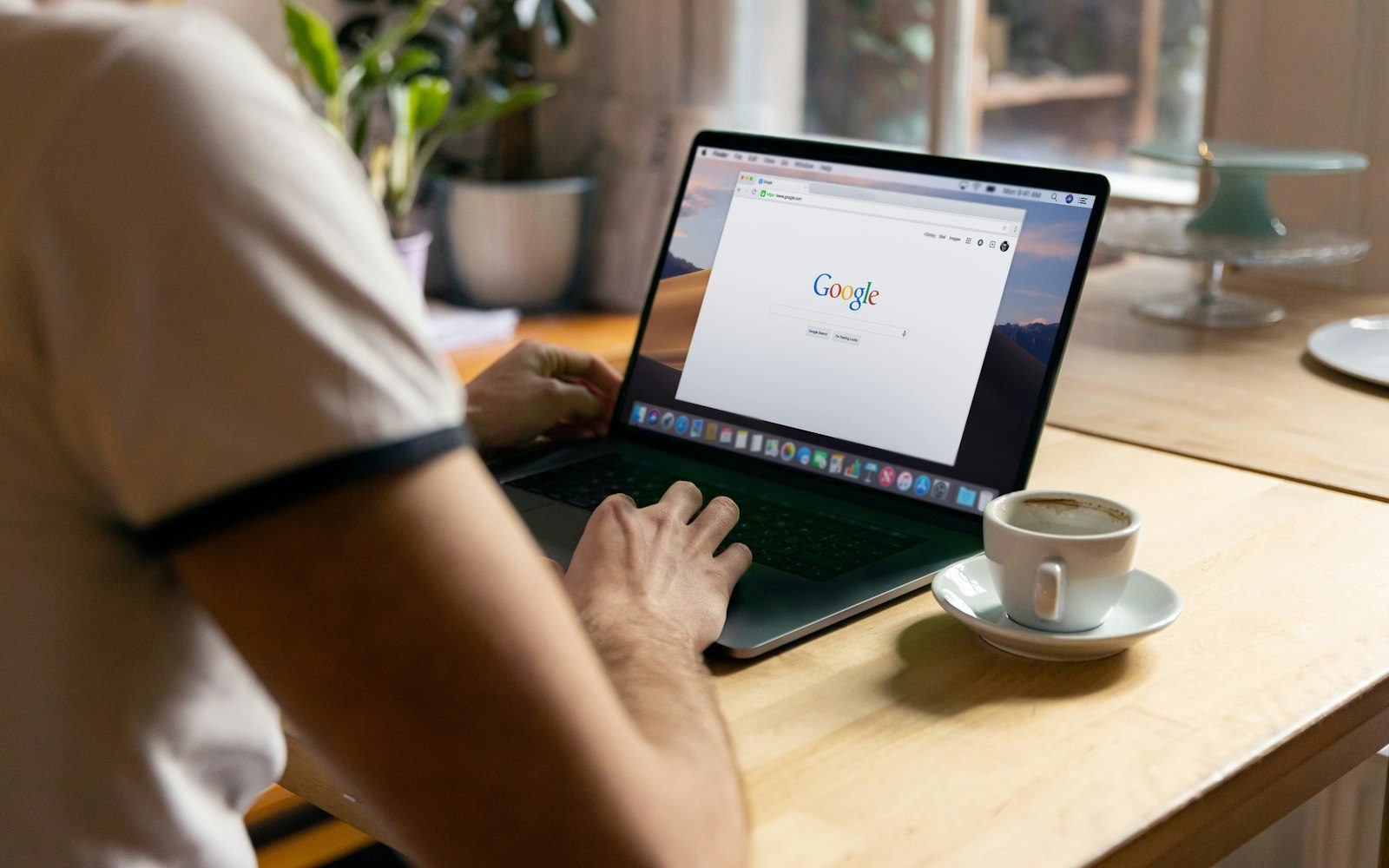
For twenty years, getting found online meant ranking on Google. That still matters. But more and more buyers now start somewhere else: they ask an AI assistant such as ChatGPT, Claude, Gemini or Perplexity for a recommendation.
That has created a second job alongside SEO. It is called AEO, short for answer engine optimisation. You may also see it called GEO, generative engine optimisation. They describe the same work.
What is the difference?
- SEO helps your pages rank in a list of search results. The buyer still chooses which link to click.
- AEO helps an AI assistant understand your business well enough to name you in its answer. There may be no list at all.
With search, you compete for a position on the page. With an assistant, you compete to be mentioned.
The good news: they overlap
Most of what helps Google read your website helps AI assistants too. Fast pages, clear structure, honest content and good reviews work for both. You do not need two websites or two strategies. AEO adds a few things on top of solid SEO.
Seven things to do first
1. Let the AI crawlers in
Assistants use their own crawlers to read websites. Some sites block them without meaning to, through a rule in a file called robots.txt. If the crawlers cannot read your site, the assistant cannot recommend it.
2. Put your content in the page itself
Most AI crawlers do not run JavaScript. If your text only appears after scripts load, they may see an empty page. Your important content should be in the page as it first arrives.
3. Answer real questions in plain words
Assistants quote pages that answer a question clearly. Write the questions your buyers ask as headings, and answer each one in the first sentence or two. A good FAQ section does a lot of work here.
4. Add structured data
Schema markup is a way of labelling facts for machines: who you are, what you offer, where you work and what customers say. It removes the guesswork.
5. Say exactly what you do, and for whom
Vague copy is invisible to an assistant. "We deliver innovative solutions" tells it nothing. "We design and build websites for UK law firms" tells it who to recommend you to.
6. Earn mentions elsewhere
Assistants weigh what other sources say about you, not just your own website. Reviews, directory listings, press coverage and guest articles all help. So does a complete Google Business Profile.
7. Add an llms.txt file
This is a short text file that introduces your business to AI tools and lists your most important pages. It is a newer convention and not every assistant uses it yet, but it takes minutes to add.
What nobody can promise
Nobody controls Google, and nobody controls the AI models. Be wary of anyone who guarantees a ranking or a mention. What can be promised is the work, and measurable progress on the things that are known to matter.
See where you stand
Our free website check reads your home page the way a search engine and an AI assistant would. It tests several of the points above and shows you what to fix first. It takes about ten seconds.
If you would rather hand the work over, read about our SEO and AEO service.